I sketched out some ideas for my poster based on my handmade type phrase I recently posted. I also sketched some ideas for a peer.


I sketched out some ideas for my poster based on my handmade type phrase I recently posted. I also sketched some ideas for a peer.

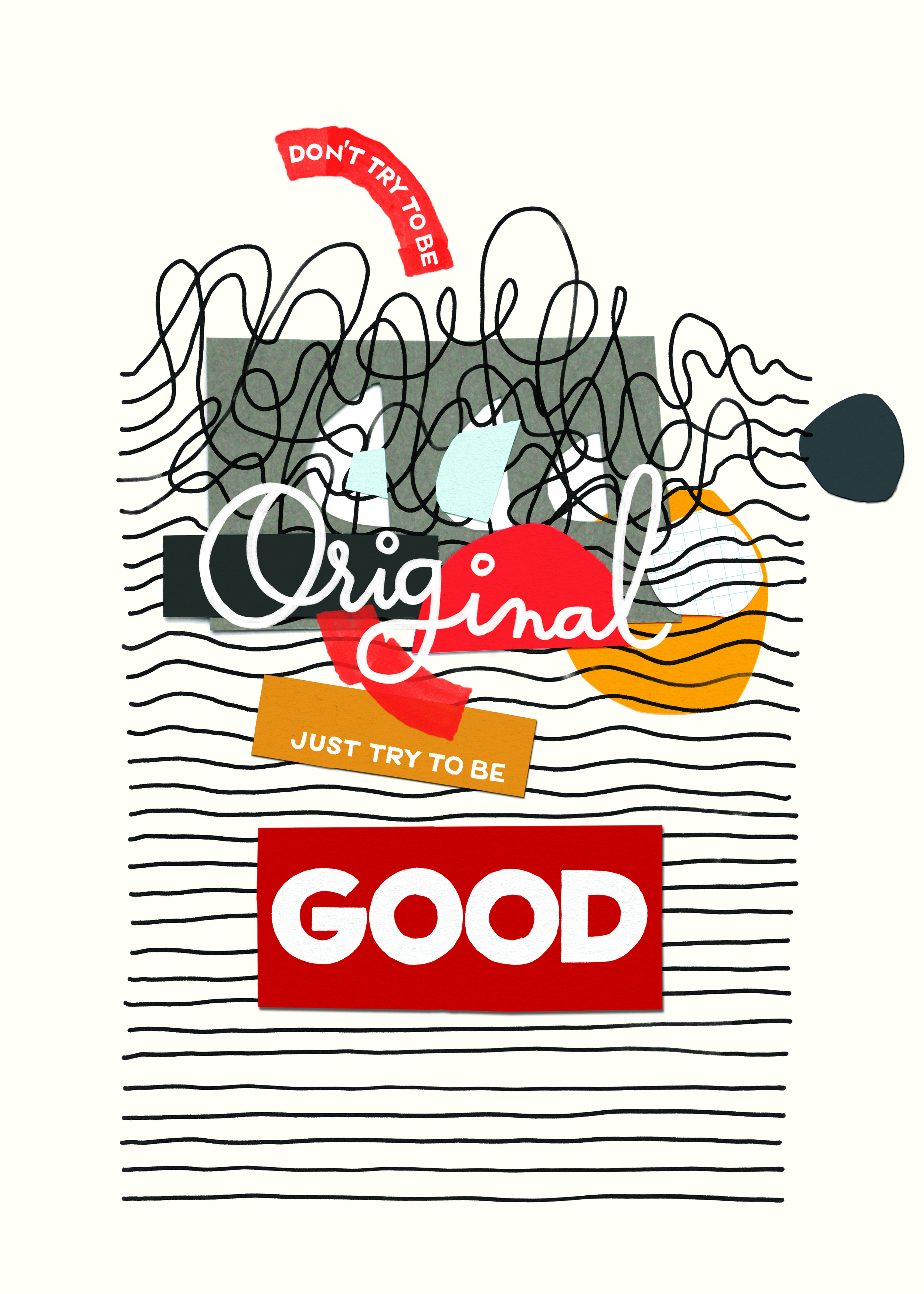

The first poster is the kind of type I wanted to make. The second is the same cut-out feel mine has. The third has the text freely overlapping each other and the rounded letterforms are angled similarly to mine.
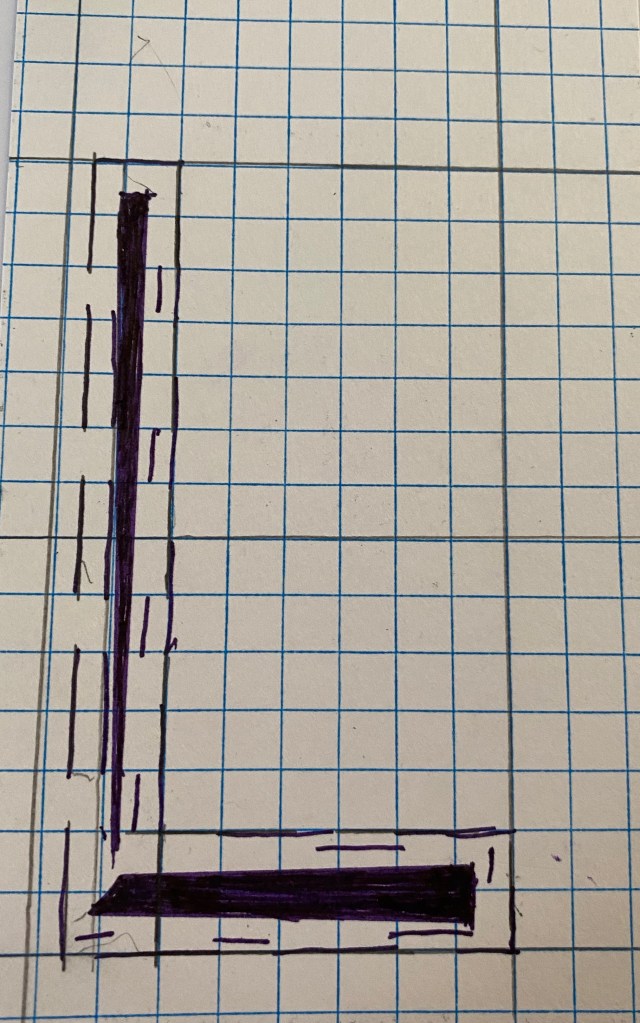
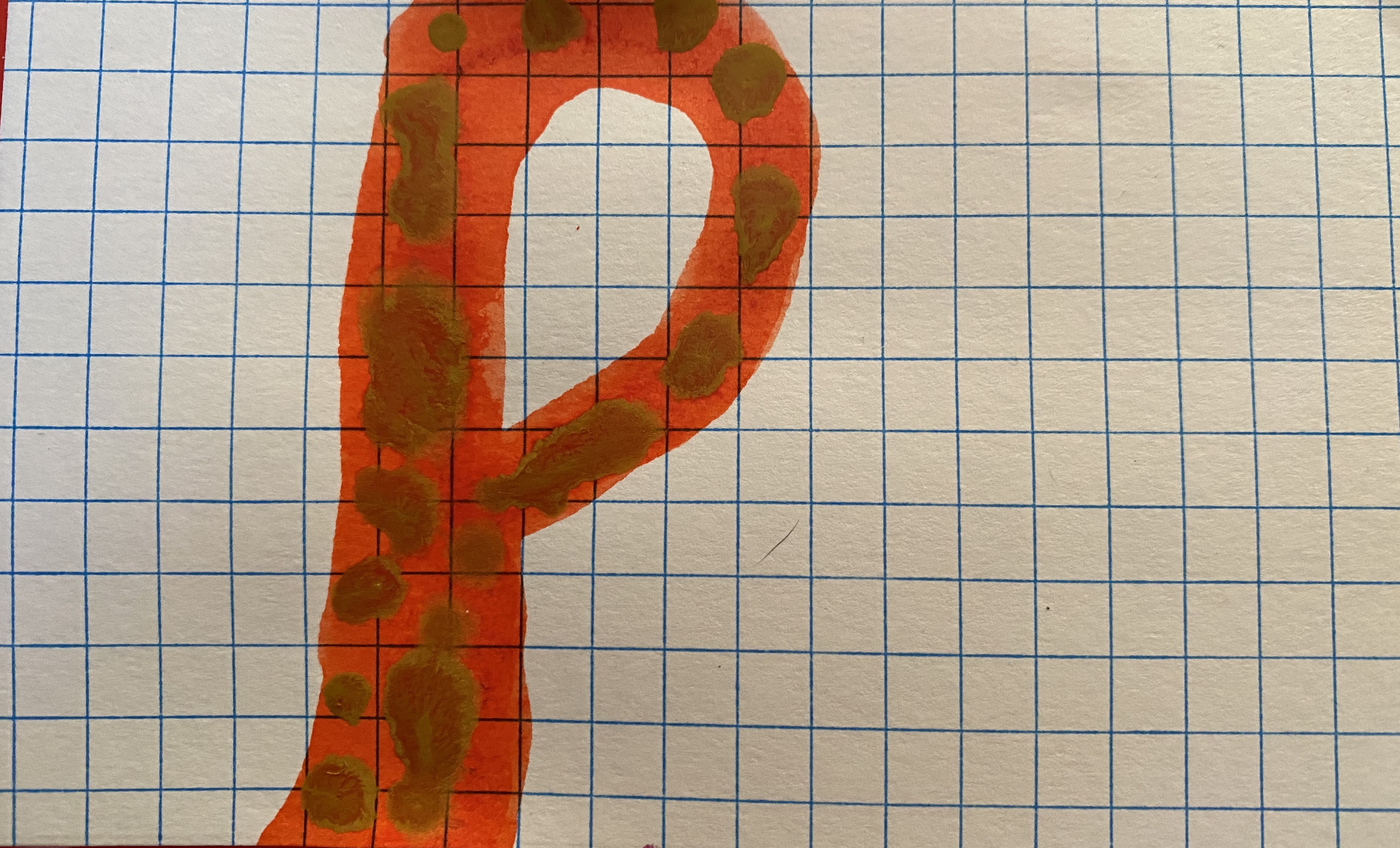
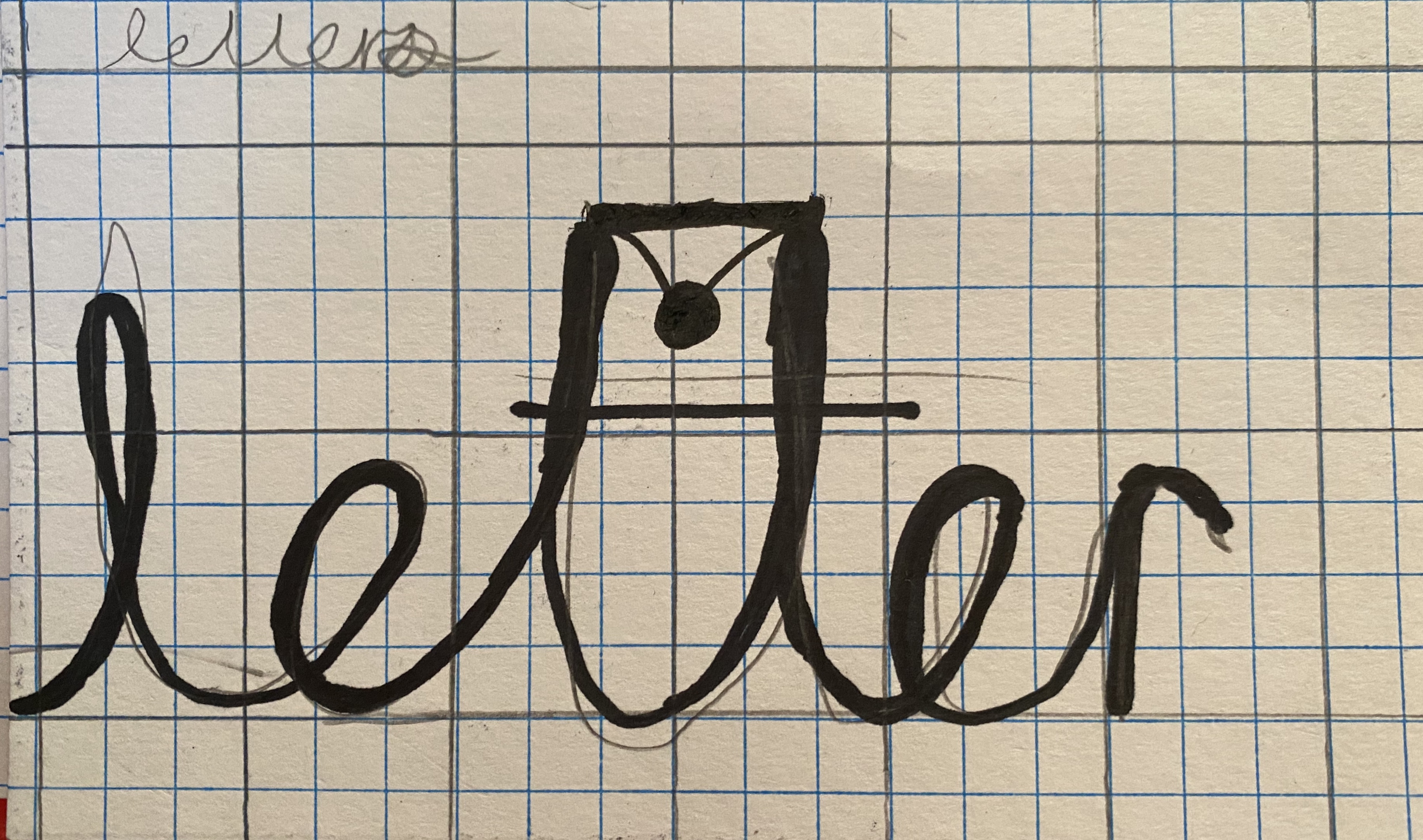
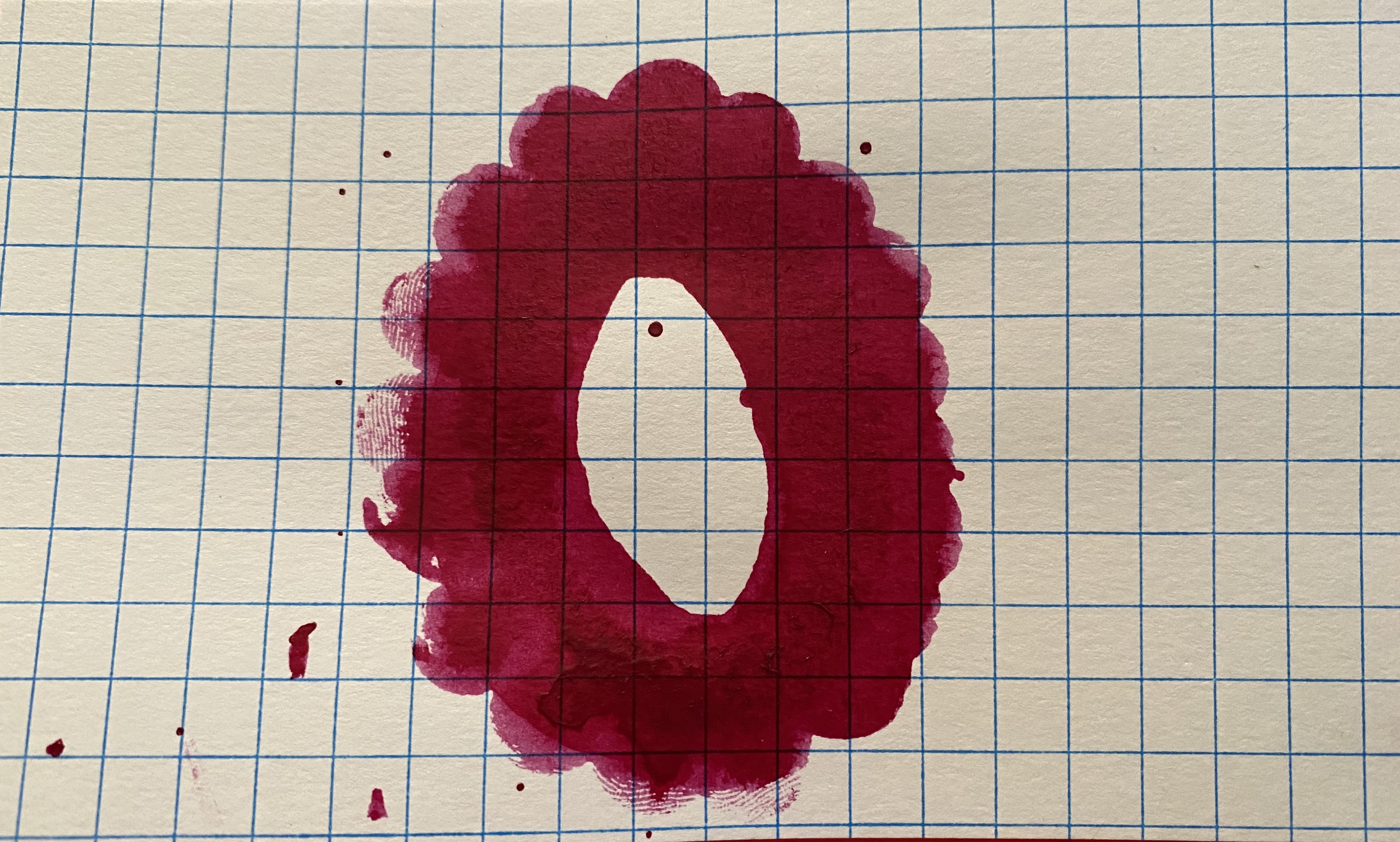
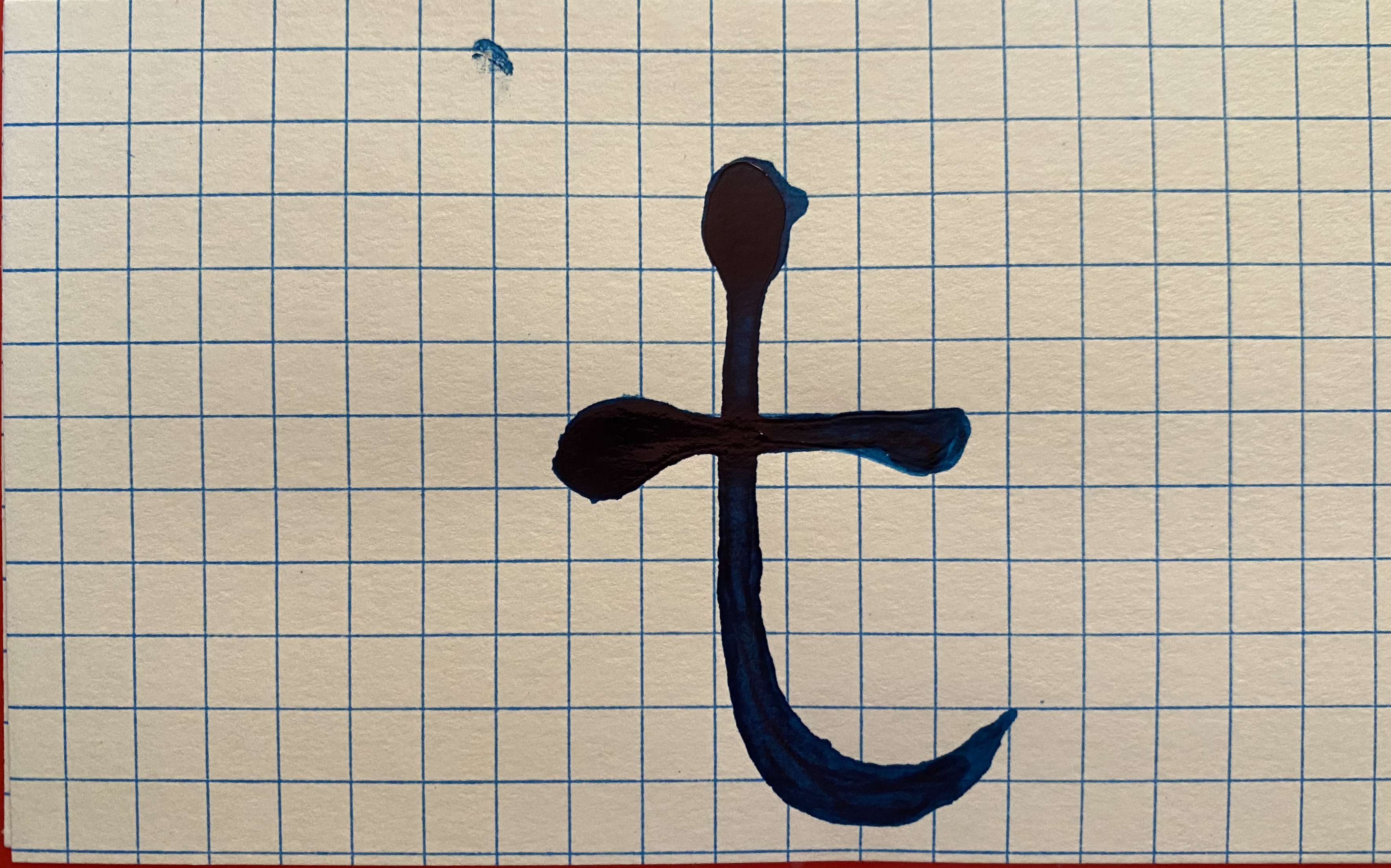
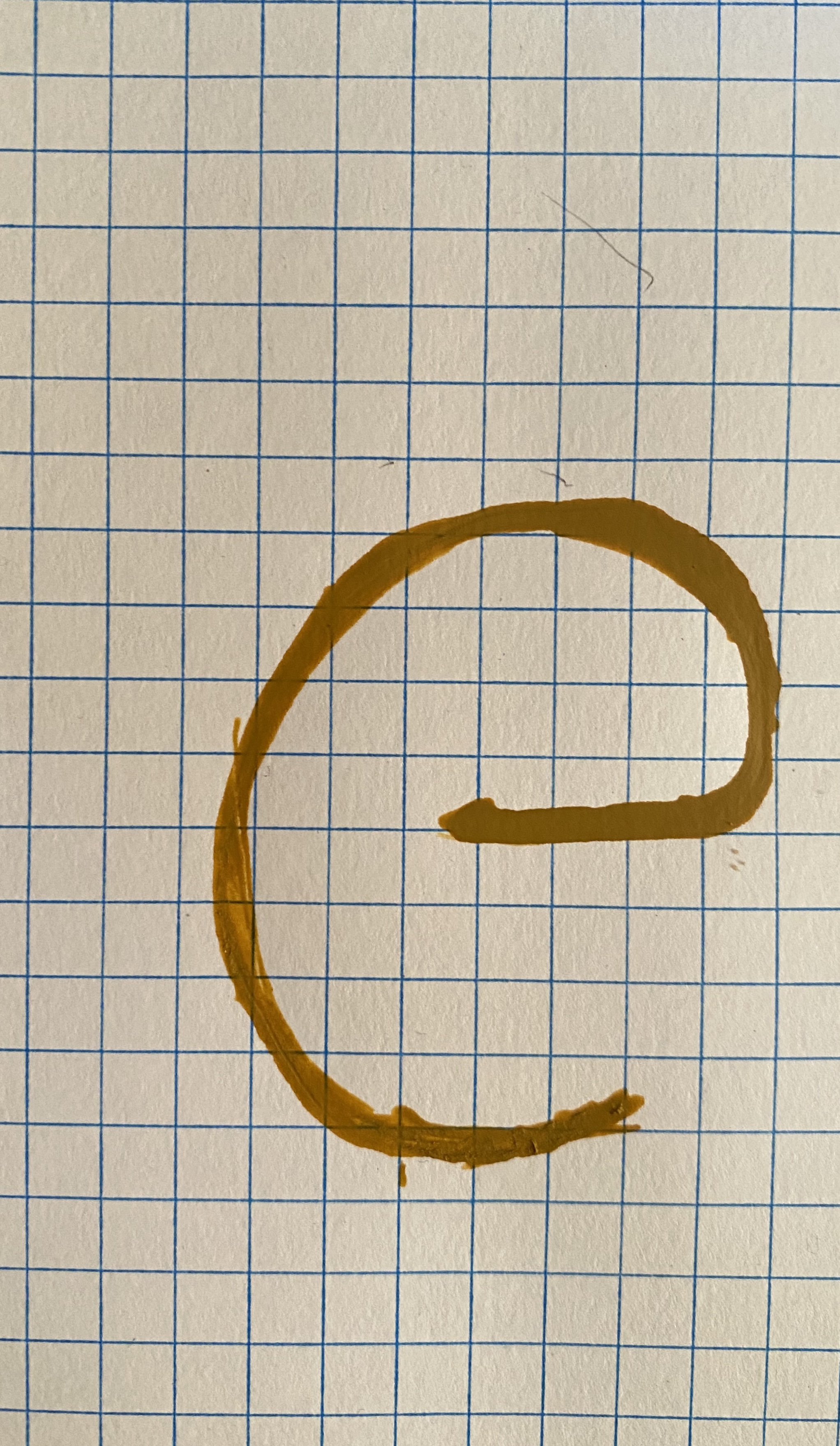
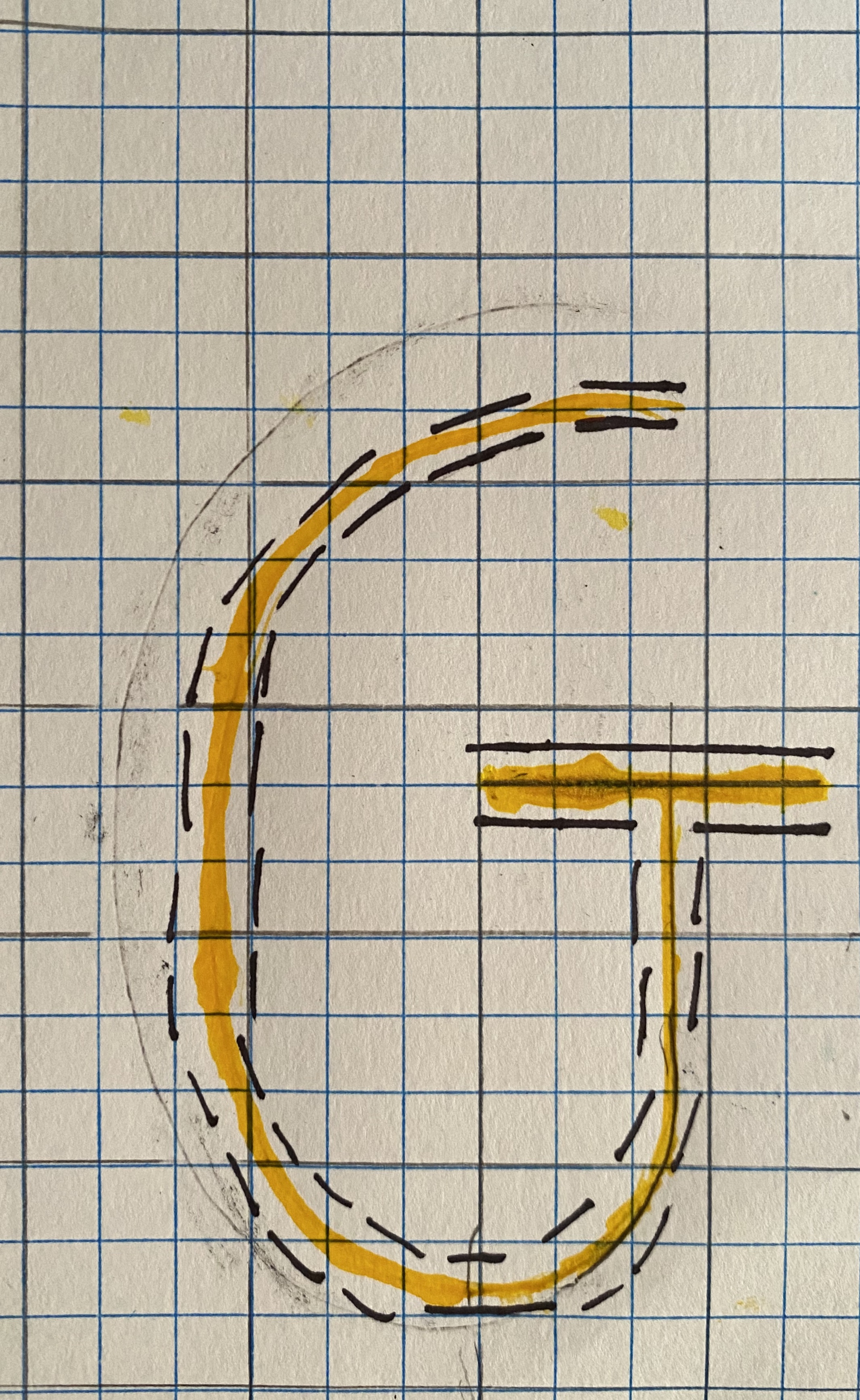


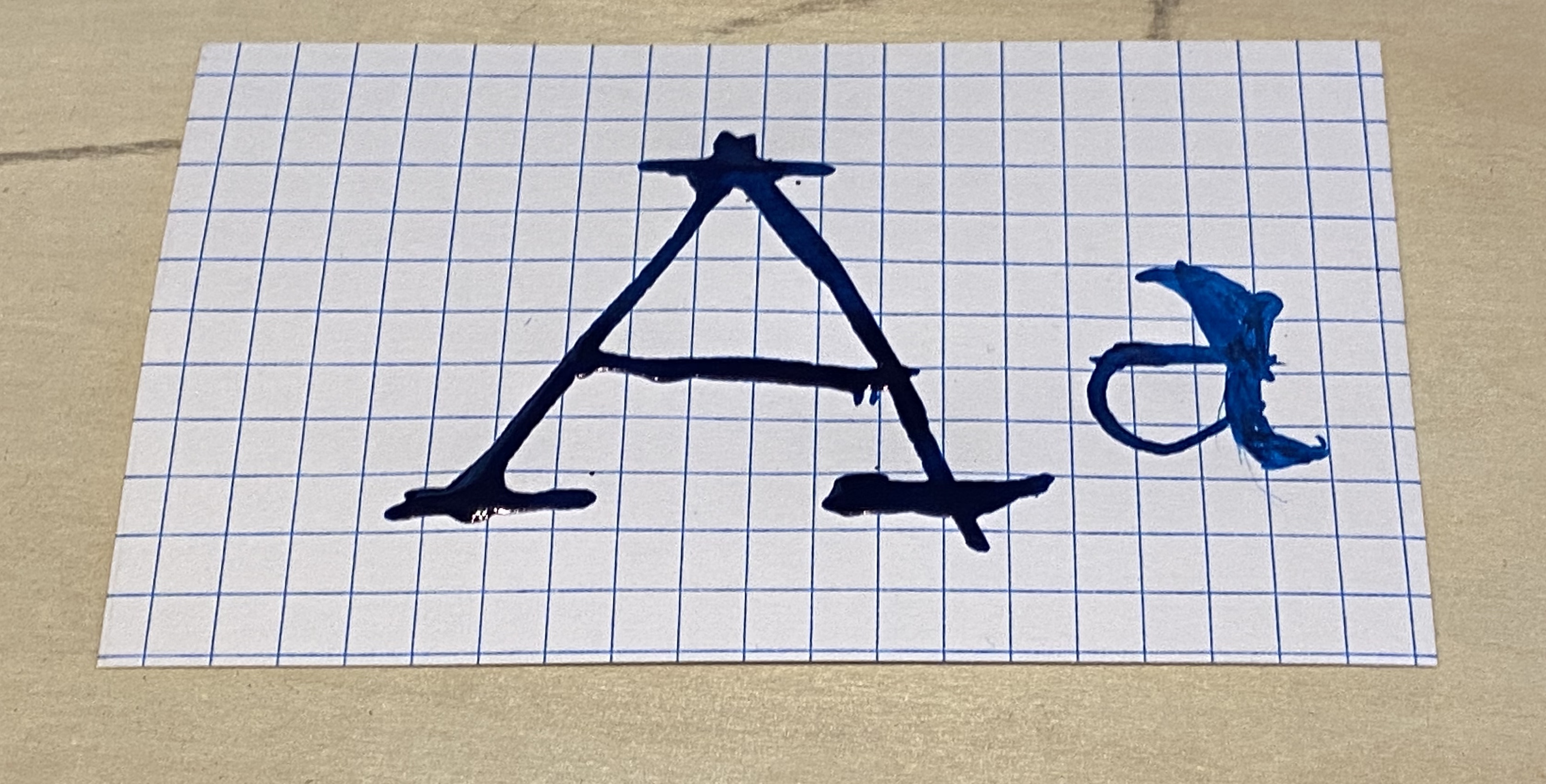
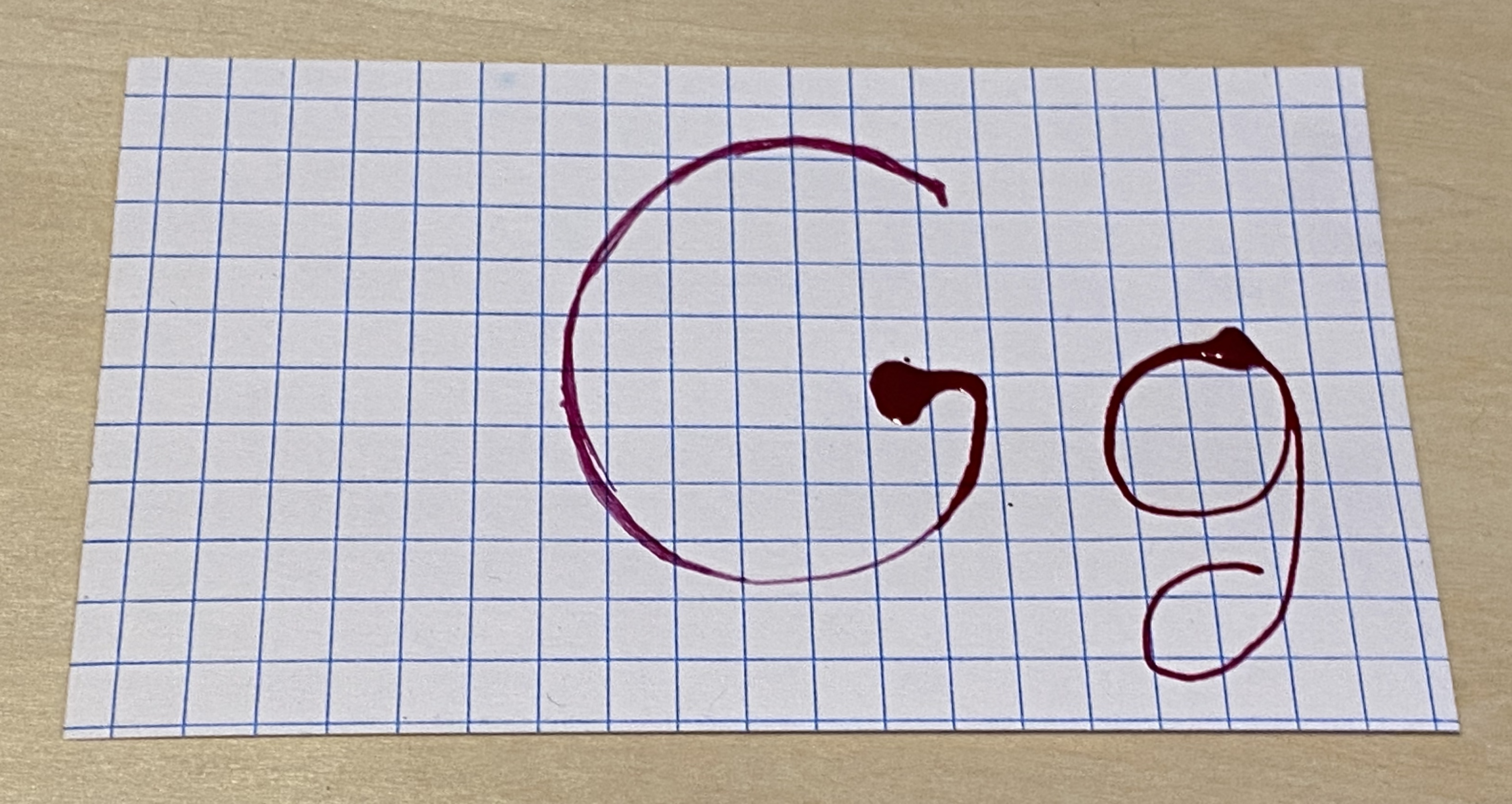
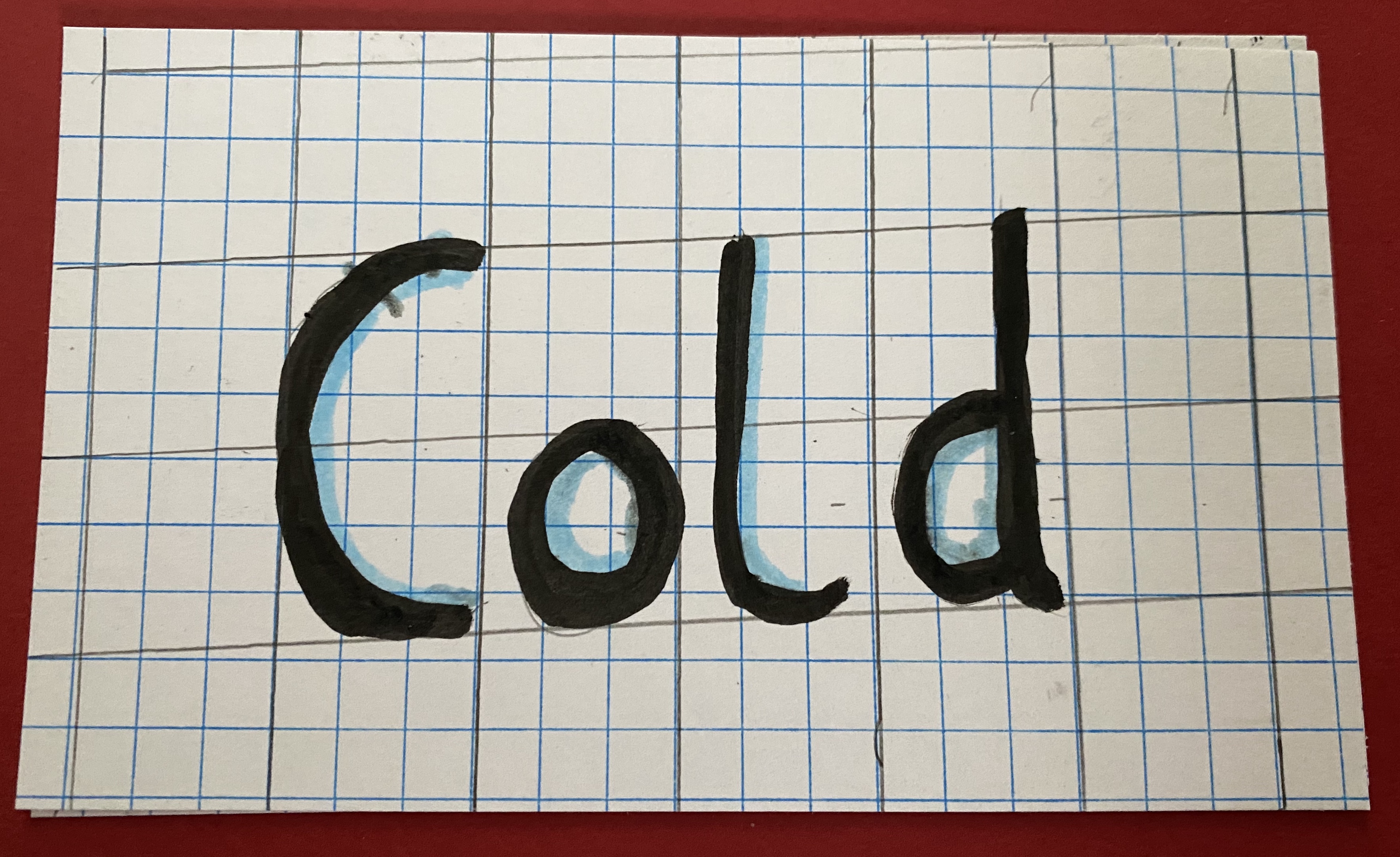

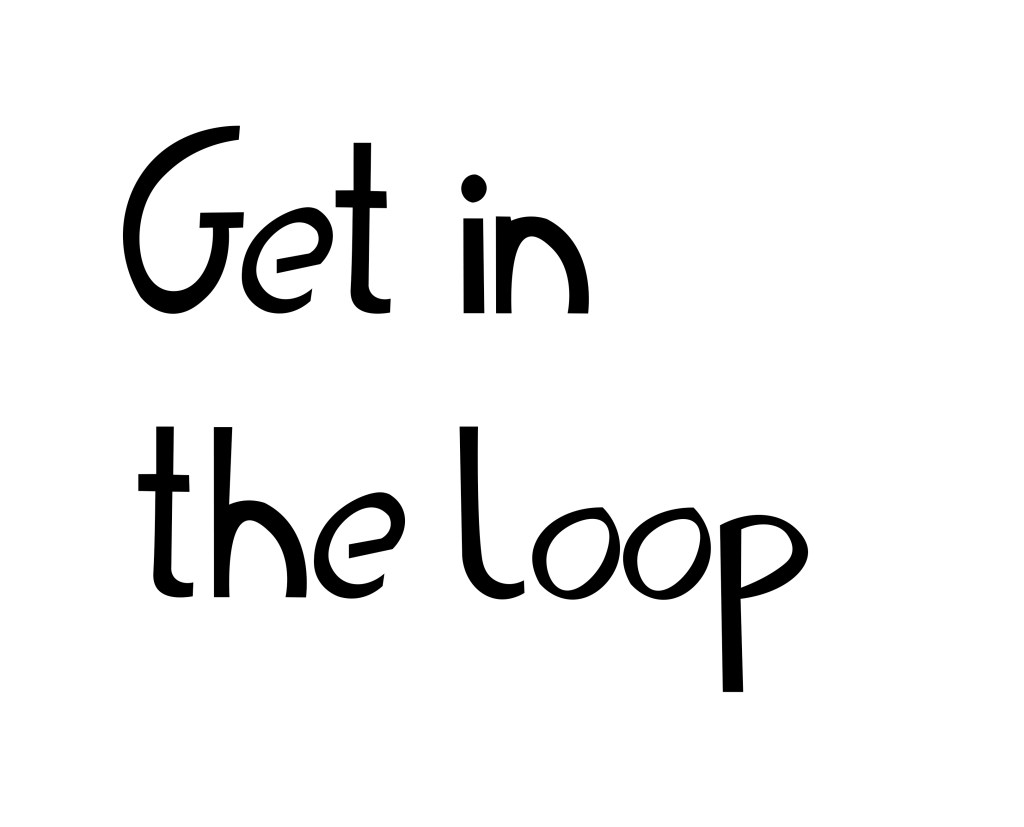
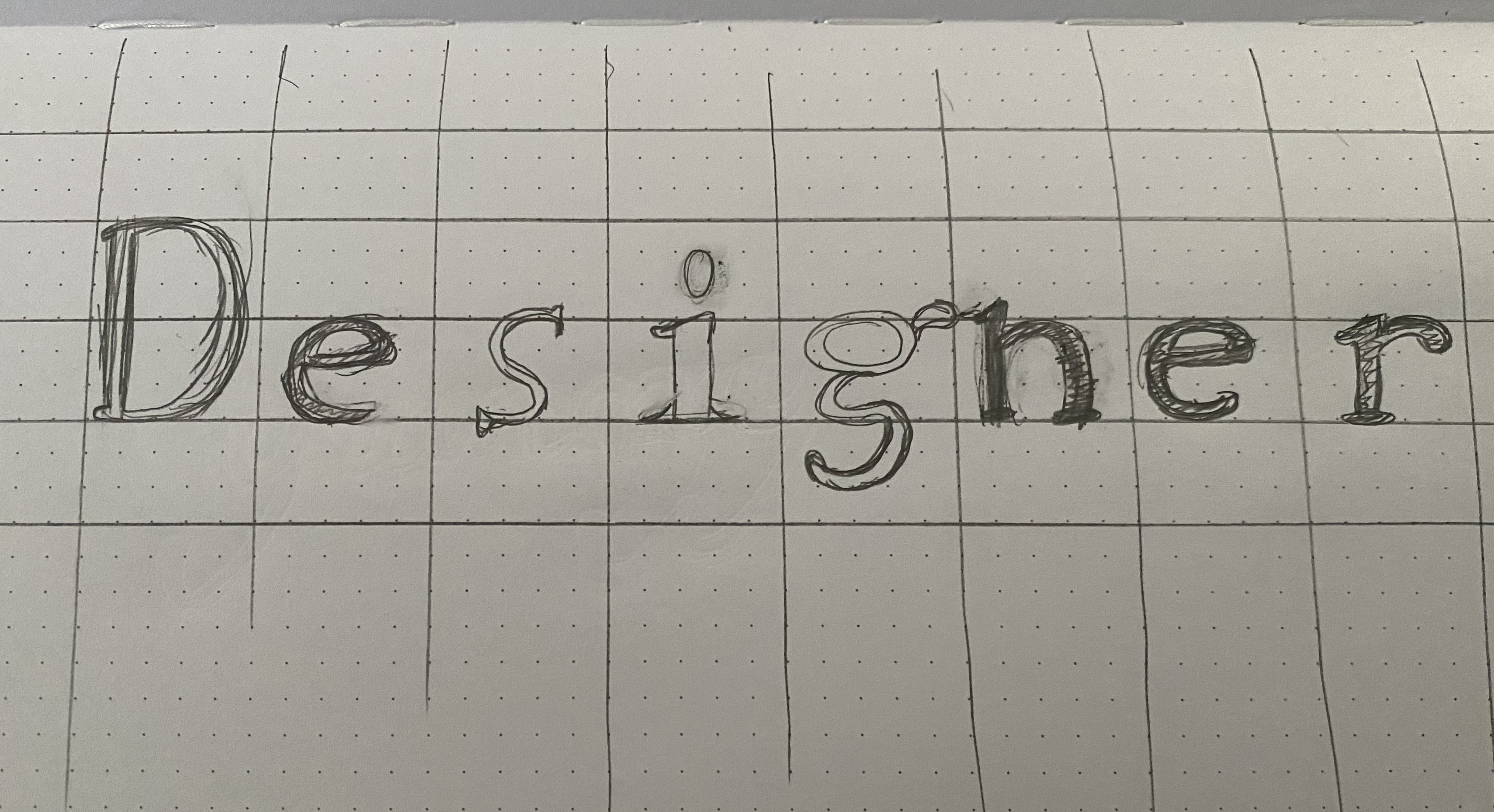
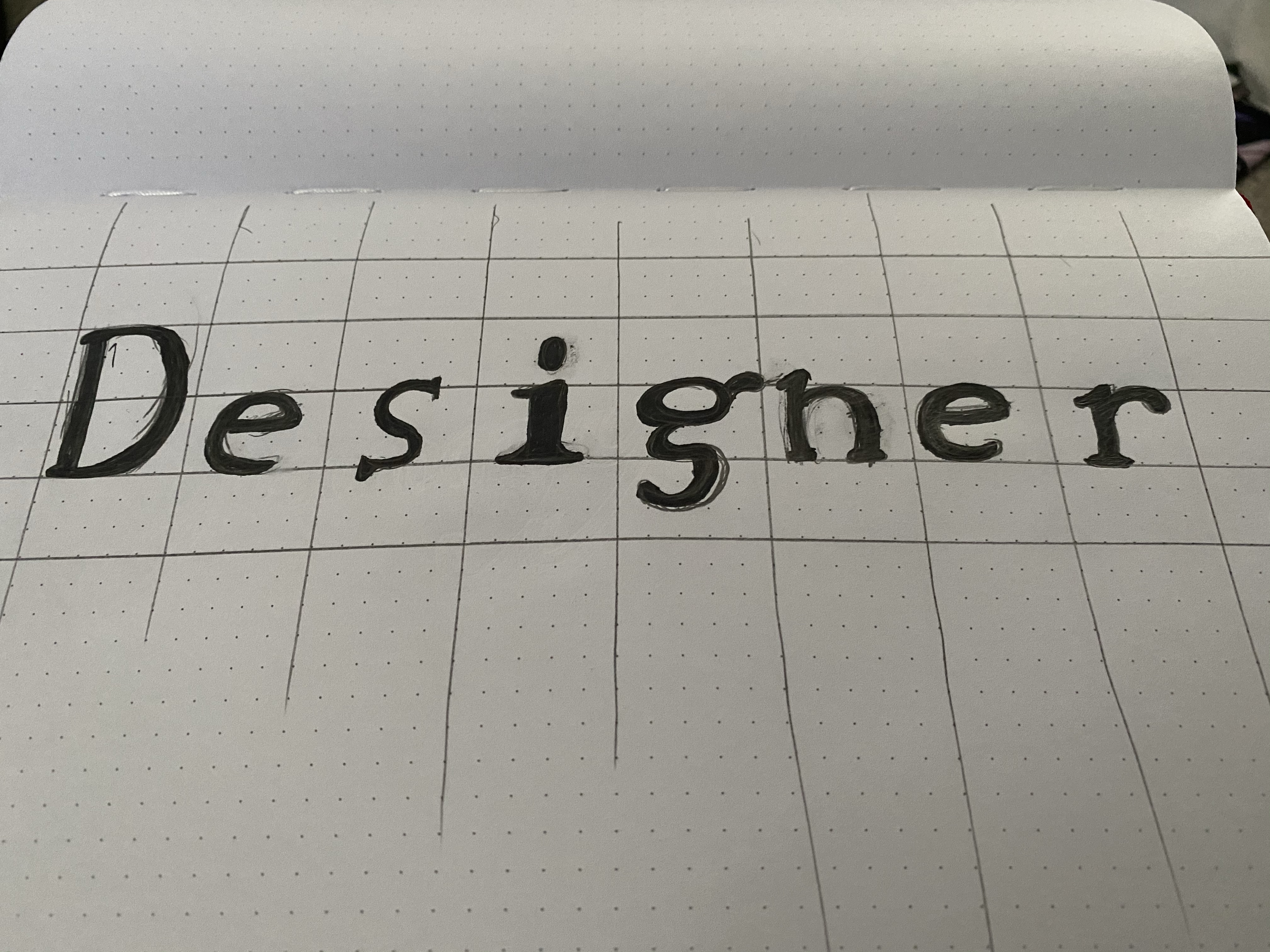
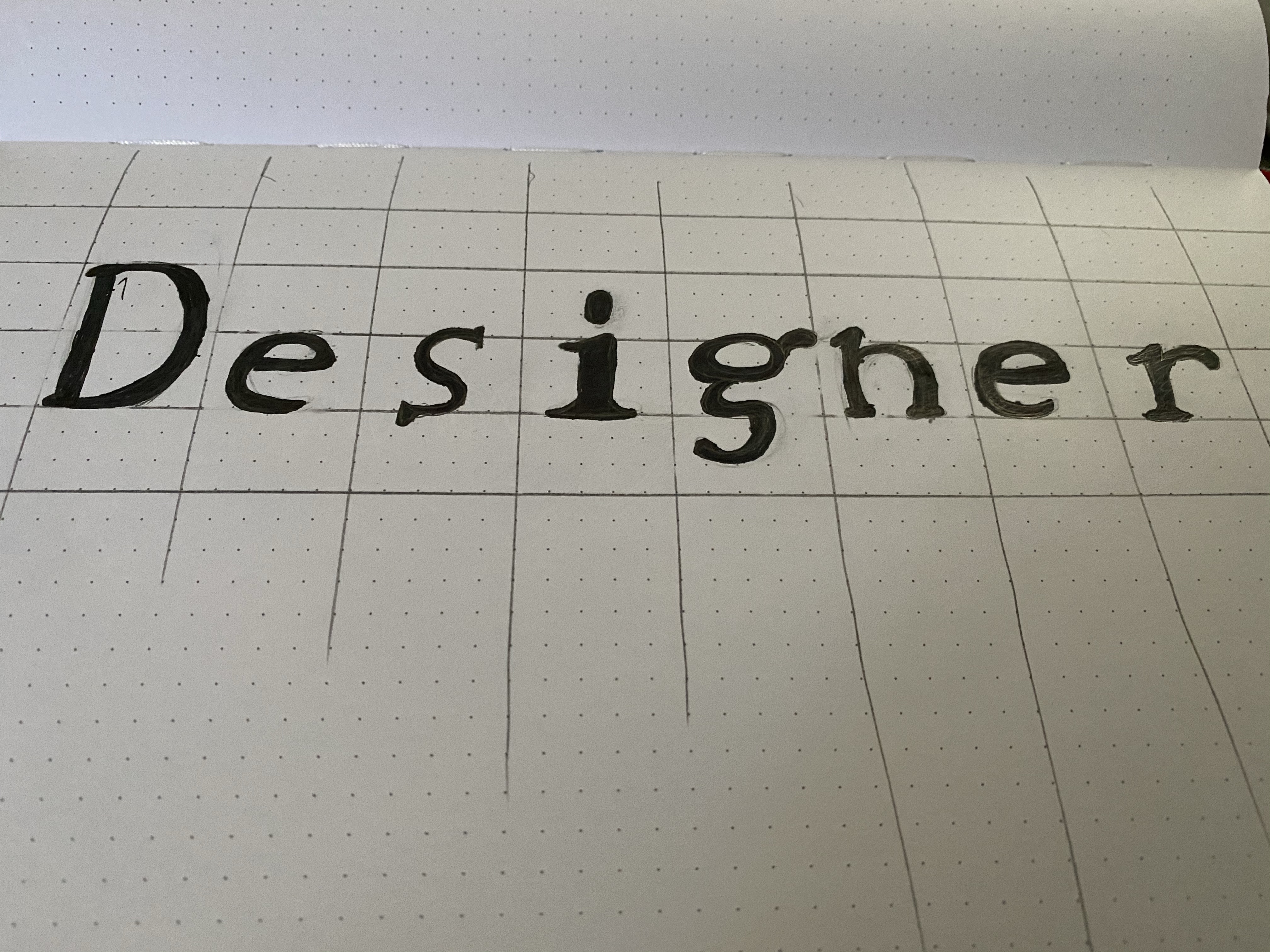
I started with the idea of using the idiom in the loop to question if people have actually looked up what they know about the pandemic and the protective measures they use. Then realized it felt too gentle for such a serious issue and the question would be answered yes even if they didn’t go to the right kind of sites(right = trustworthy). I decided to have a demanding phrase to tell people to research their ideas around the pandemic. I used tracing paper over my original sketch to get a couple versions of the lettering; however, my glass pen I was trying to use to keep my lettering steady broke on me twice. After it broke I used a brush pen but didn’t like the way the lines worked so I used a fine liner and a sharpie to get the final version. I was using tracing paper from the first lettering set on so I edited the photo to be easier for me to import it into illustrator and edit to my liking. I changed a good chunk of the lettering inside of illustrator as the variance in weight didn’t function the way I originally intended. Above is the final and below is the process.


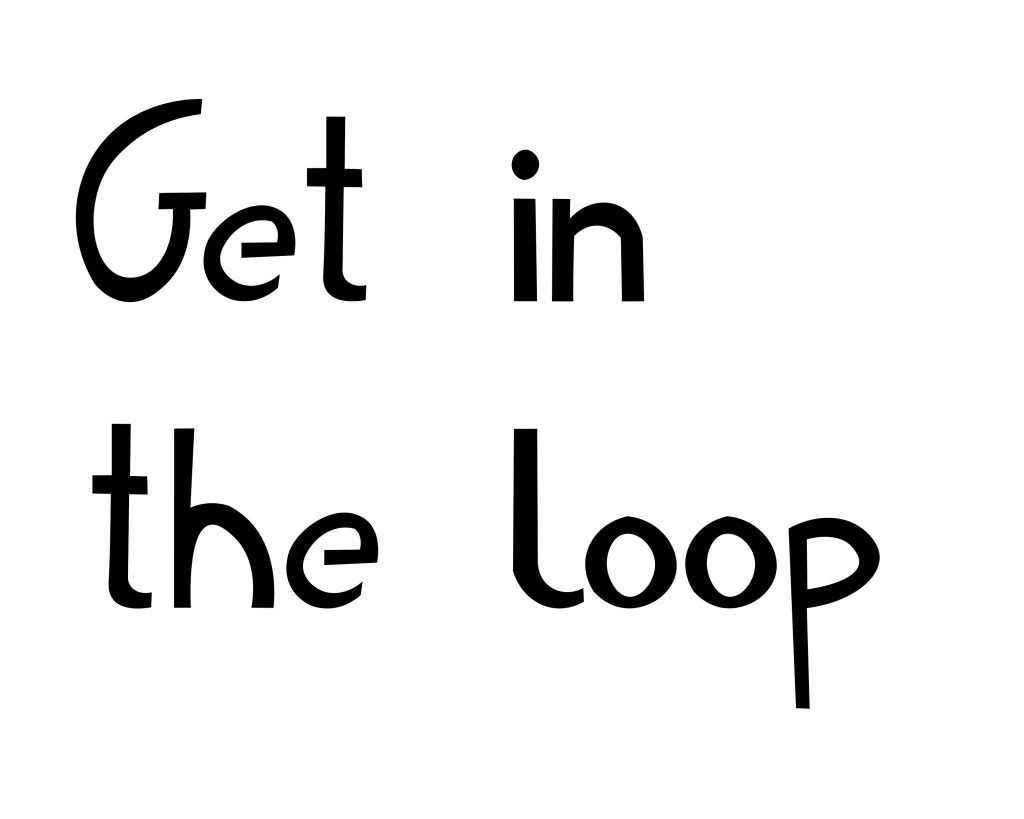

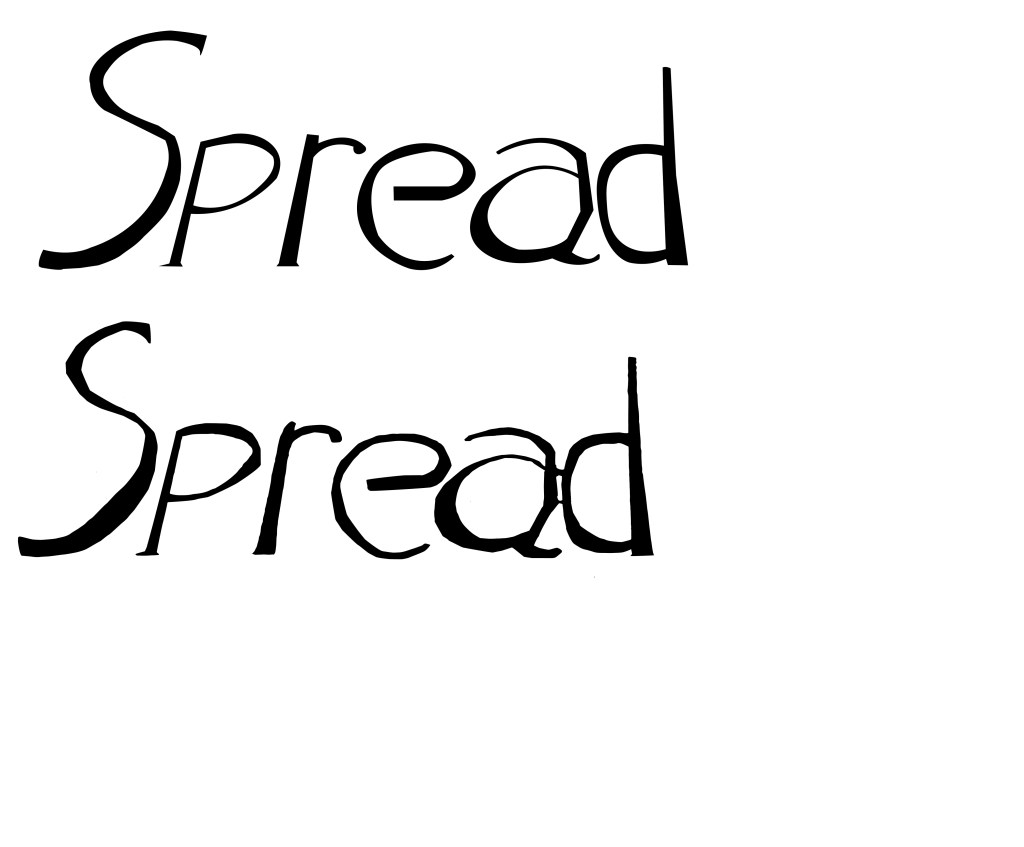
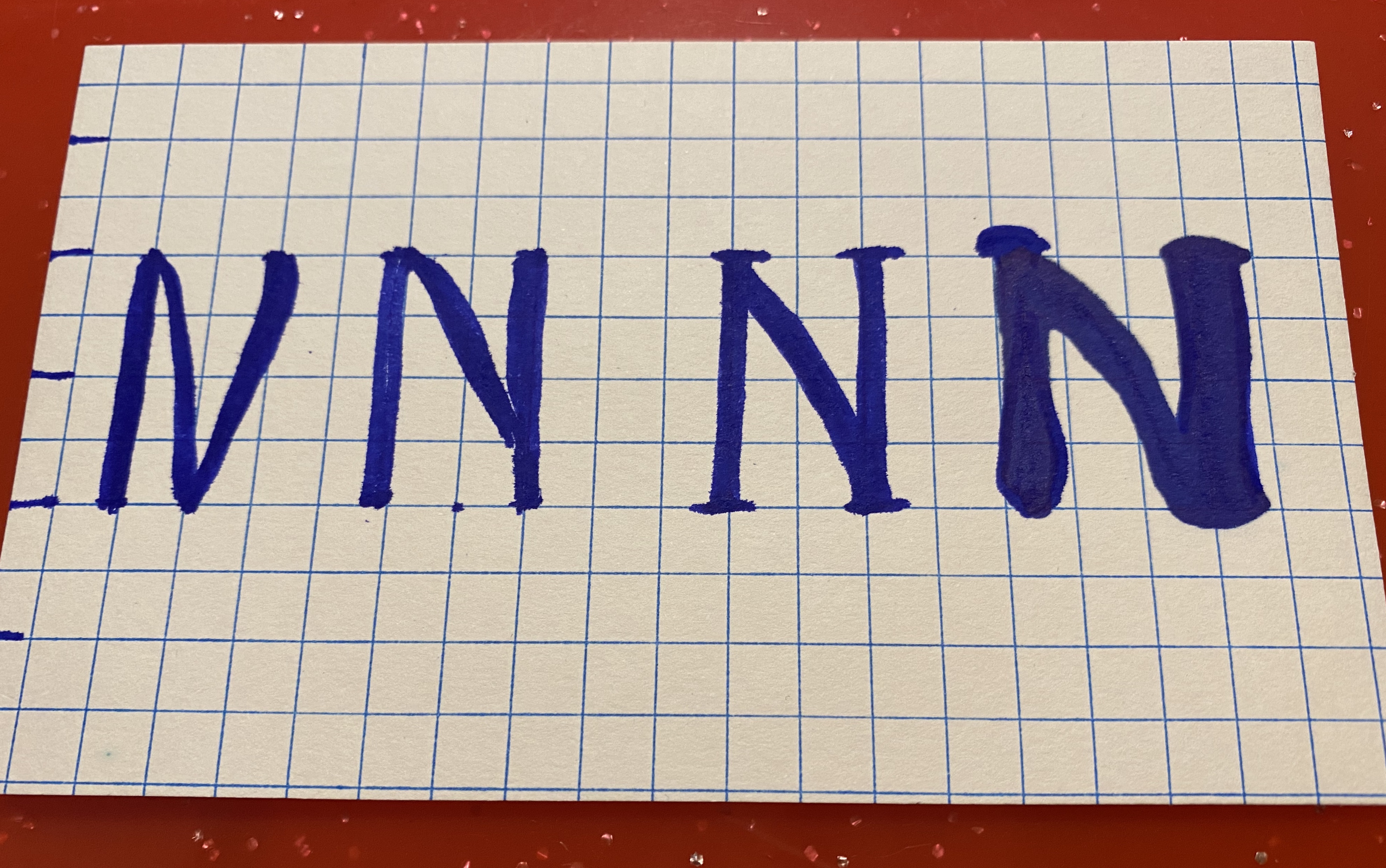
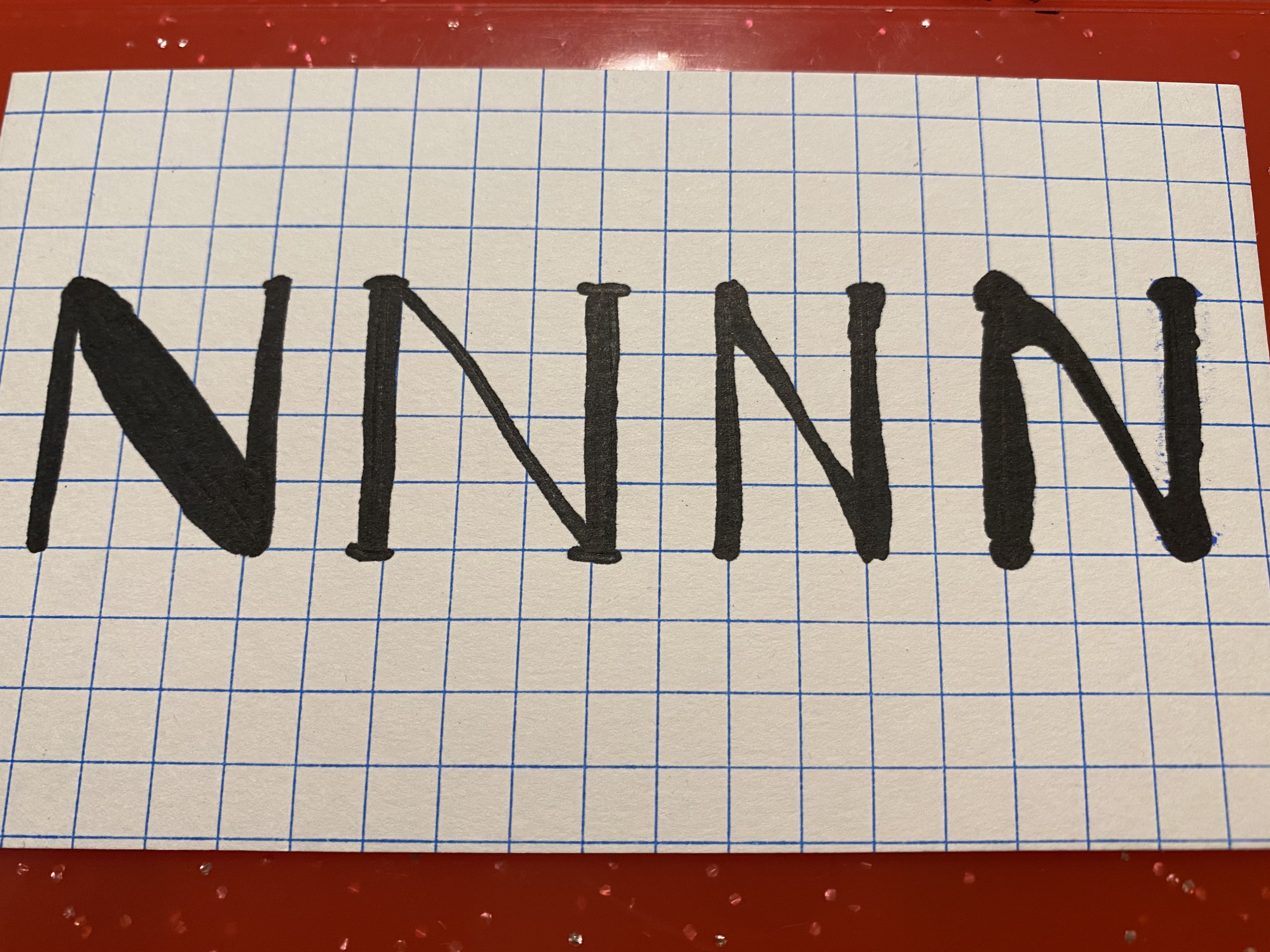
The first image shows what I hand lettered and the other image shows two different ways I turned it into a vector. The top of the secound image is made with the pen tool in Illustrator while the bottom is made with image trace then corrected given it adds a lot of anchor points.
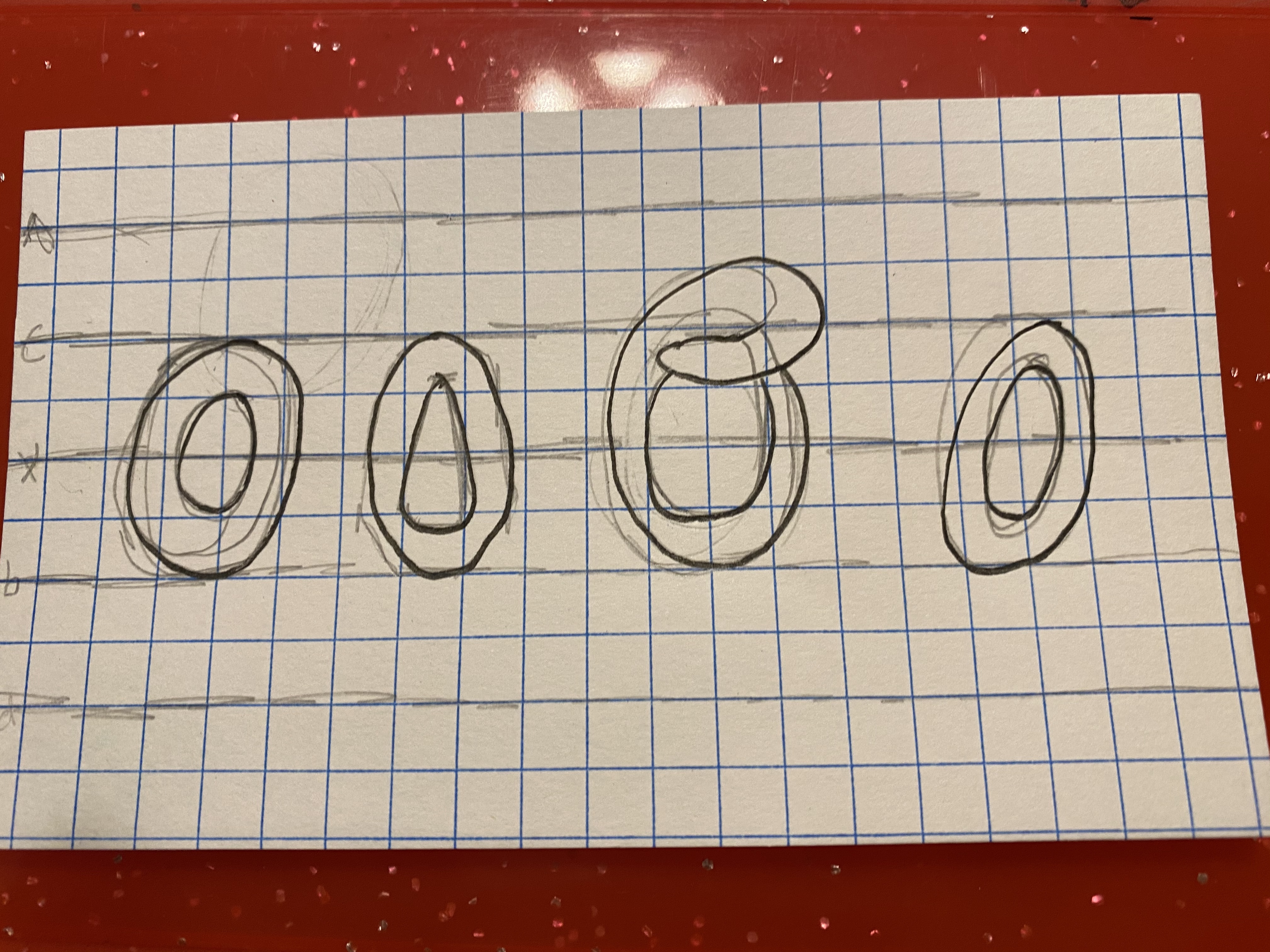
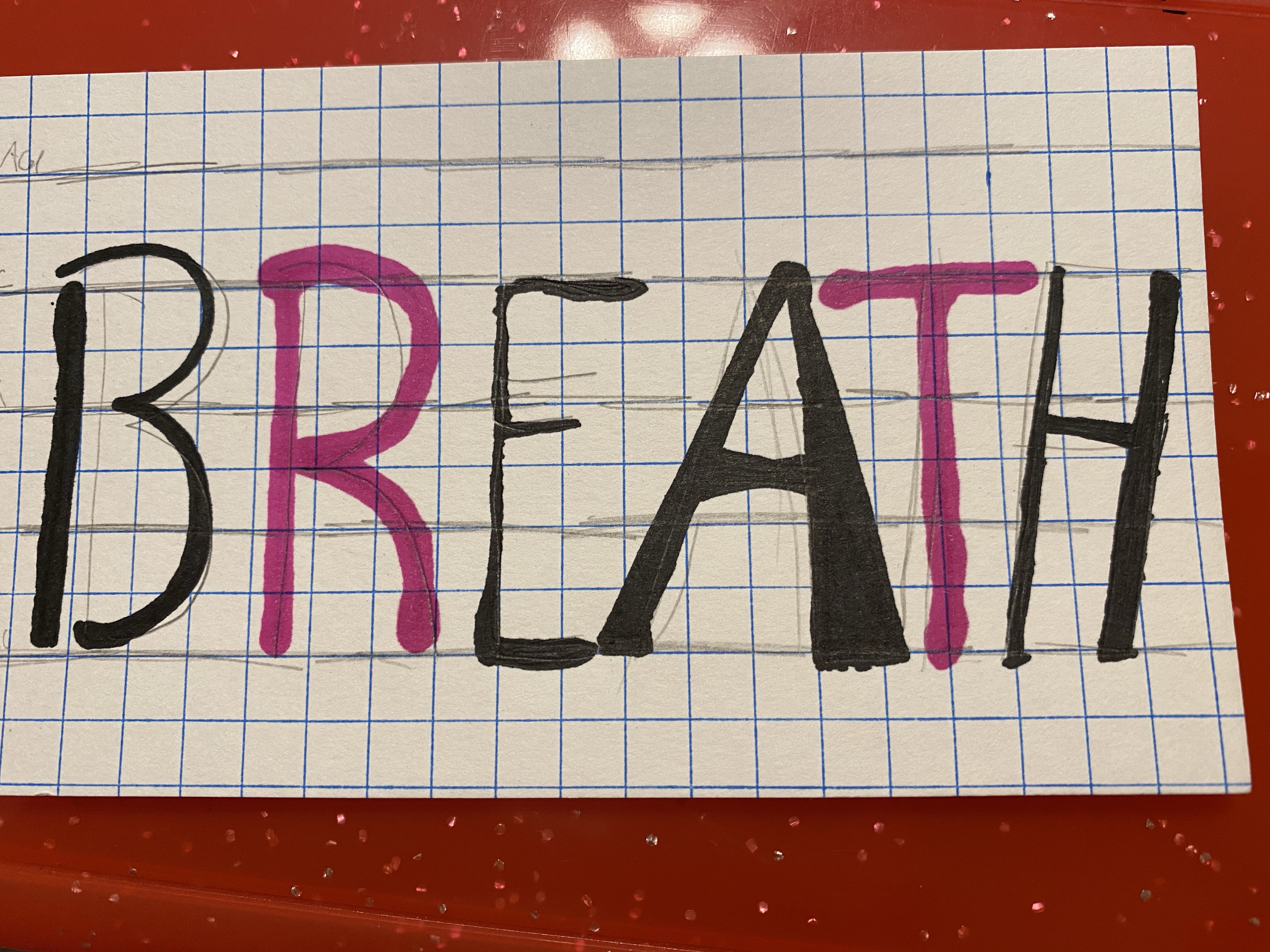

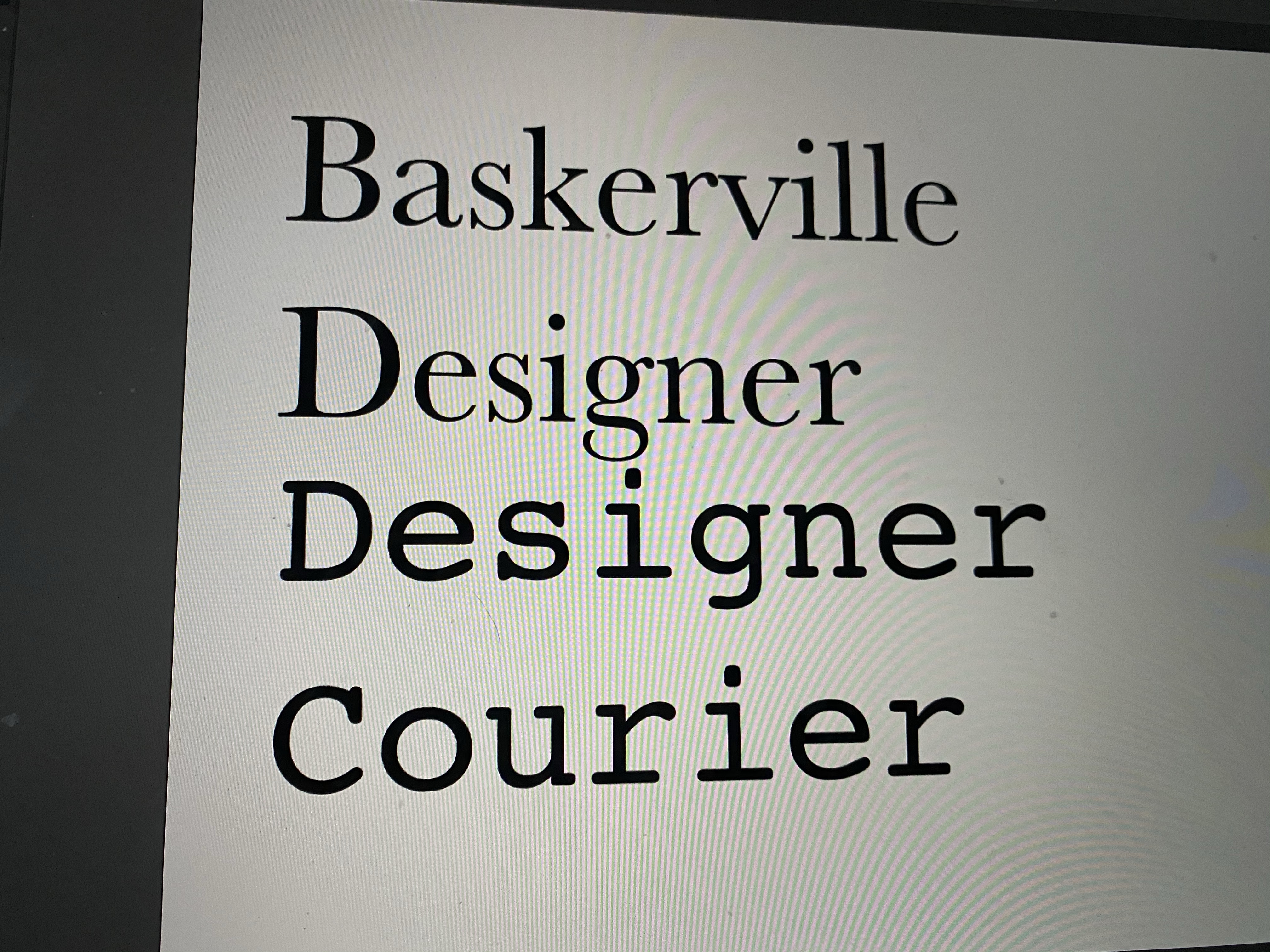
I merged Baskerville and Courier. Baskerville uses curves to lean into its serifs while Courier is consistent line weight and straight lines but rounded serifs. Baskerville also has a strong line weight variance and small spacing between the letters, while Couriers is a set distance.
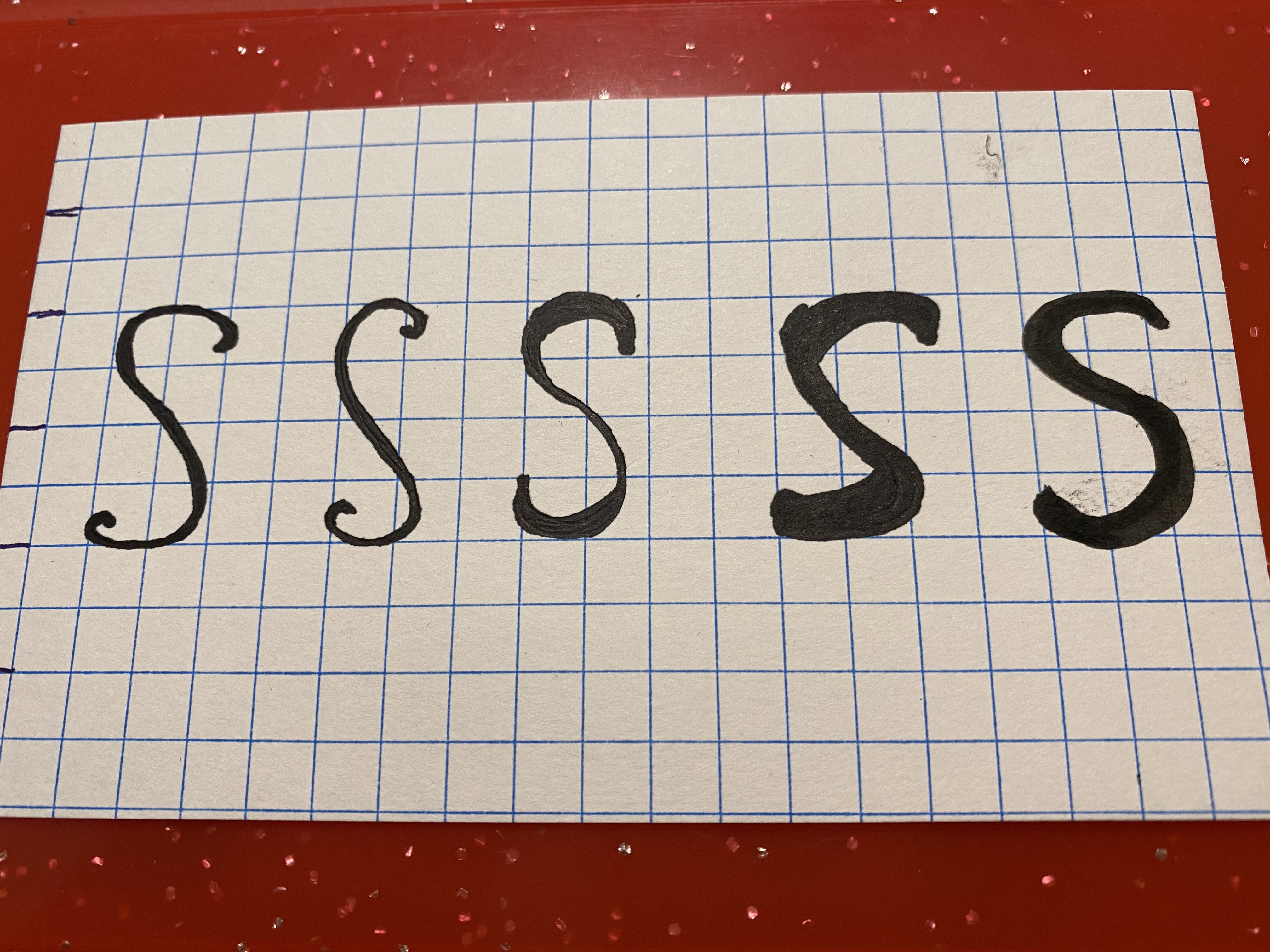
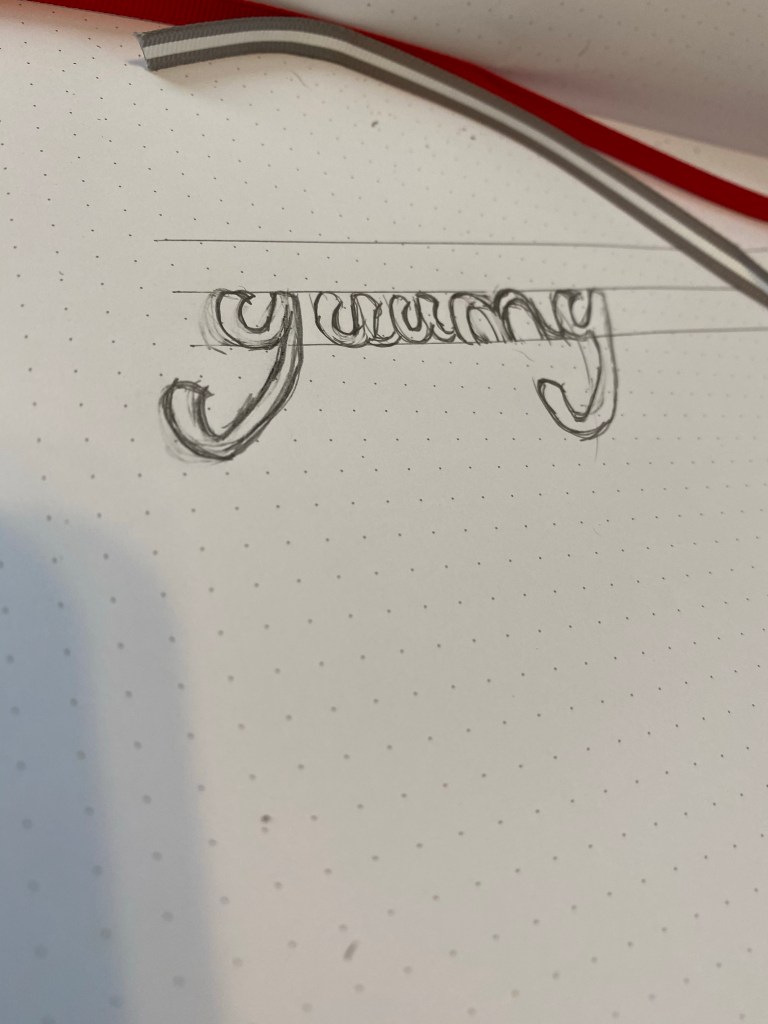
I used the Rudy’s Hotdog sign that I grew up seeing to capture a typeface that I wouldn’t regularly use. The sign actually has more than one type on it so I used the Rudy type. After figuring out the typeface I used the letters I had to figure out the letter m which I then used to spell the word yummy incorrectly at first but I fixed it.



This has made me realize that my ranting about the philosophical idea of the human soul isn’t uncommon for designers discussing their work and how it relates to others’ views and ideas. When starting to discuss what good design isn’t George Nelson describes what good design is: “…a manifestation of the capacity of the human spirit to transcend its limitations.” This idea of design being a representation to the extent of a human spirit’s ability to go beyond their restrictions intrigues me as it makes me think about who wants these representations of the ascent beyond the limits set for the designer. Generally, designers don’t need these embodiments of the other designer’s ascent. Is it those who tried to break limits of their spirit and failed or is it those who don’t feel they need to break their own and can get the same effects from another’s efforts? Is it simply those who need the design who get them or do they end up among those who do not know who created it and why?
Designers explain away aesthetics because laymen don’t understand it. Nelson talks about stating something is functional or more functional a certain way was easier than describing something as an aesthetic choice. Today most people have heard the term aesthetics and talk about it like it’s a common word, at least in my experience. Given the amount of knowledge we have at our fingertips today, it’d be kind of hard to explain away aesthetic choices as functional ones. The client or whoever is being described a partial lie about the reason for doing said thing can simply look up what terms you used and find the errors to the logic rather quickly if they understand how to look stuff up.

 Amanda Potts